Buy evgym.com ?
We are moving the project
evgym.com .
Are you interested in purchasing the domain
evgym.com ?
domain@kv-gmbh.de · 0541-91531010
Buy evgym.com ?
Why is the Cold War called the Cold War?
The Cold War is called the Cold War because it was characterized by a lack of direct military conflict between the two main adversaries, the United States and the Soviet Union. Instead of engaging in open warfare, the two superpowers engaged in a variety of indirect conflicts, such as the arms race, espionage, and proxy wars. The term "cold" reflects the fact that the tensions and hostilities between the two sides did not escalate into full-scale military confrontation. **
Is the Cold War really cold?
The term "Cold War" refers to the political and ideological tension between the United States and the Soviet Union after World War II, characterized by espionage, proxy wars, and a nuclear arms race. While direct military conflict between the two superpowers was avoided, the Cold War was marked by numerous "hot" conflicts in places like Korea, Vietnam, and Afghanistan. Additionally, both sides engaged in covert operations and supported opposing factions in various countries, leading to significant violence and instability. Therefore, while the Cold War may not have resulted in a full-scale direct war between the US and the Soviet Union, it was far from "cold" in terms of its impact on global politics and the lives of people in many parts of the world. **


Similar search terms for Cold War
Top-Angebote
Products related to Cold War:
-
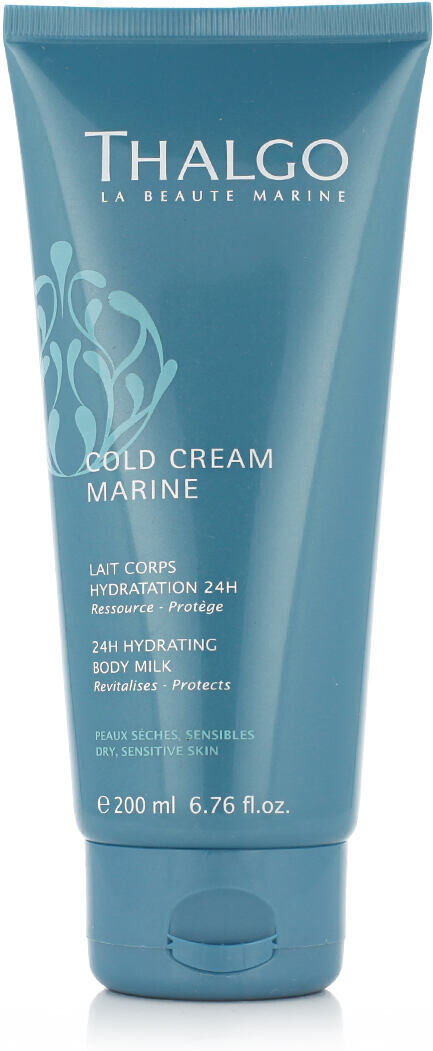
Thalgo Cold Cream Marine 24H Hydrating Body Milk 200 mlThalgo Cold Cream Marine 24H Hydrating Body Milk 200 ml is an intensely hydrating body milk developed for dry and sensitive skin, providing intensive nourishment, protection and comfort for 24 hours. Enriched with the patented marine Cold Cream Marine ingredient, it leaves the skin feeling soft, soothed and protected, even in extreme conditions.PropertiesContains marine wax, borage oil and Laminaria ochroleuca algae extractLightweight, fast-absorbing textureDermatologically tested on sensitive skinHypoallergenic formulaVolume: 200 mlKey benefitsProvides intensive hydration and restores the skin’s hydrolipidic filmSoothes irritation and helps protect against drynessLeaves the skin smooth, supple and comfortableSuitable for daily use, including during the winter monthsProvides a lasting feeling of comfort and softnessHow to useApply daily to clean, dry skin over the entire bodyMassage in gently until the milk is fully absorbedIdeal after a shower or bathAlso suitable for sensitive areas such as the elbows, knees and shinsThis body milk is ideal for anyone seeking effective yet gentle care for dry to very dry skin, with long-lasting hydration and sea-inspired comfort.64,50 €*Shipping: 7,90 €Secure redirect to the provider


-
Why is the Cold War called cold?
The Cold War is called "cold" because it was characterized by a lack of direct military conflict between the two main superpowers involved, the United States and the Soviet Union. Instead of engaging in open warfare, the two sides engaged in a variety of indirect confrontations, such as espionage, propaganda, and proxy wars in other countries. The term "cold" reflects the fact that the tensions and hostilities between the two sides never escalated into a full-scale hot war. **
-
What was the Cold War?
The Cold War was a period of geopolitical tension and rivalry between the United States and the Soviet Union, as well as their respective allies, that lasted from the end of World War II in 1945 until the collapse of the Soviet Union in 1991. It was characterized by ideological, political, and military competition, but without direct armed conflict between the two superpowers. The Cold War had a significant impact on global politics, shaping alliances, conflicts, and the balance of power for decades. **
-
Why does Cold War stutter?
The Cold War stuttered due to a combination of factors such as the ideological differences between the United States and the Soviet Union, the arms race, and the fear of nuclear war. Both sides engaged in a delicate balance of power, leading to periods of tension and conflict. Additionally, the lack of trust and communication between the two superpowers further contributed to the stuttering of the Cold War, as each side sought to outmaneuver the other without escalating into a full-scale war. **
-
Was the Cold War unavoidable?
The Cold War was not necessarily unavoidable, as it was the result of specific historical events and decisions made by the United States and the Soviet Union. Tensions between the two superpowers began to rise after World War II, as their conflicting ideologies and spheres of influence led to a power struggle. However, it is possible that with different leadership and diplomatic efforts, the Cold War could have been avoided or at least mitigated. Ultimately, the complex web of factors that contributed to the Cold War makes it difficult to definitively say whether it was unavoidable or not. **


Isn't the Cold War inevitable?
The Cold War was not inevitable, as it was the result of specific historical events and decisions made by the United States and the Soviet Union. Tensions between the two superpowers were exacerbated by ideological differences, competition for global influence, and the development of nuclear weapons. However, there were opportunities for cooperation and peaceful coexistence that were not fully pursued. Therefore, while there were underlying factors that contributed to the Cold War, it was not an inevitable outcome. **
Was the Cold War avoidable?
The Cold War was not entirely avoidable due to the fundamental ideological differences between the United States and the Soviet Union. The clash between capitalism and communism, as well as the desire for global influence and power, created an environment of tension and suspicion that ultimately led to the Cold War. However, there were moments when tensions could have been eased and conflicts avoided, such as during the early years of post-World War II diplomacy. Nonetheless, the deep-seated ideological and geopolitical differences between the two superpowers made the Cold War difficult to prevent entirely. **
Top-Angebote
Products related to Cold War:
-
Why is the Cold War called the Cold War?
The Cold War is called the Cold War because it was characterized by a lack of direct military conflict between the two main adversaries, the United States and the Soviet Union. Instead of engaging in open warfare, the two superpowers engaged in a variety of indirect conflicts, such as the arms race, espionage, and proxy wars. The term "cold" reflects the fact that the tensions and hostilities between the two sides did not escalate into full-scale military confrontation. **
-
Is the Cold War really cold?
The term "Cold War" refers to the political and ideological tension between the United States and the Soviet Union after World War II, characterized by espionage, proxy wars, and a nuclear arms race. While direct military conflict between the two superpowers was avoided, the Cold War was marked by numerous "hot" conflicts in places like Korea, Vietnam, and Afghanistan. Additionally, both sides engaged in covert operations and supported opposing factions in various countries, leading to significant violence and instability. Therefore, while the Cold War may not have resulted in a full-scale direct war between the US and the Soviet Union, it was far from "cold" in terms of its impact on global politics and the lives of people in many parts of the world. **
-
Why is the Cold War called cold?
The Cold War is called "cold" because it was characterized by a lack of direct military conflict between the two main superpowers involved, the United States and the Soviet Union. Instead of engaging in open warfare, the two sides engaged in a variety of indirect confrontations, such as espionage, propaganda, and proxy wars in other countries. The term "cold" reflects the fact that the tensions and hostilities between the two sides never escalated into a full-scale hot war. **
-
What was the Cold War?
The Cold War was a period of geopolitical tension and rivalry between the United States and the Soviet Union, as well as their respective allies, that lasted from the end of World War II in 1945 until the collapse of the Soviet Union in 1991. It was characterized by ideological, political, and military competition, but without direct armed conflict between the two superpowers. The Cold War had a significant impact on global politics, shaping alliances, conflicts, and the balance of power for decades. **
Similar search terms for Cold War
-
Thalgo Cold Cream Marine 24H Hydrating Body Milk 200 mlThalgo Cold Cream Marine 24H Hydrating Body Milk 200 ml is an intensely hydrating body milk developed for dry and sensitive skin, providing intensive nourishment, protection and comfort for 24 hours. Enriched with the patented marine Cold Cream Marine ingredient, it leaves the skin feeling soft, soothed and protected, even in extreme conditions.PropertiesContains marine wax, borage oil and Laminaria ochroleuca algae extractLightweight, fast-absorbing textureDermatologically tested on sensitive skinHypoallergenic formulaVolume: 200 mlKey benefitsProvides intensive hydration and restores the skin’s hydrolipidic filmSoothes irritation and helps protect against drynessLeaves the skin smooth, supple and comfortableSuitable for daily use, including during the winter monthsProvides a lasting feeling of comfort and softnessHow to useApply daily to clean, dry skin over the entire bodyMassage in gently until the milk is fully absorbedIdeal after a shower or bathAlso suitable for sensitive areas such as the elbows, knees and shinsThis body milk is ideal for anyone seeking effective yet gentle care for dry to very dry skin, with long-lasting hydration and sea-inspired comfort.64,50 €*Shipping: 7,90 €Secure redirect to the provider
-
Mustela Bébé Nourishing Body Lotion With Cold Cream 200 ml variant New CoverMustela Bébé Nourishing Body Lotion With Cold Cream 200 ml is a gentle nourishing body lotion for babies and children that provides intensive hydration while protecting dry, sensitive skin. This children’s body lotion with Cold Cream helps restore the skin barrier, protects against dryness and leaves the skin soft, supple and hydrated for longer. Properties Contains Cold Cream for intensive nourishmentSuitable for dry, sensitive children’s skinLightweight, fast-absorbing textureHydrates and protects the skinDermatologically testedKey benefits Deeply nourishes and softens the skinStrengthens the skin’s protective barrierProtects against dryness and adverse external factorsLeaves the skin soft and comfortableSuitable for daily care from birthHow to use Apply to clean, dry skinDispense an appropriate amount onto the bodyGently massage into the skinUse daily as neededIdeal after bathing to help lock in moisture11,00 €*Shipping: 7,90 €Secure redirect to the provider
-
PRIMEYARD 200 x 100 x 77 cm Raised garden bed, steel, metallic-anthracite, incl. cold frame attachment - (GFPV00773)200 x 100 x 77 cm Raised garden bed, steel, metallic-anthracite, incl. cold frame attachment: The trendy raised beds MARIO, THEO and NELE from the quality brand PRIMEYARD offer optimal growing conditions for vegetables and plants. The rectangular MARIO model, made of Corten steel, is available in the dimensions 146x80 cm, 200x80 cm and 200x107 cm, with a bed height of either 60 cm or 80 cm. It is also frost and heat resistant. The rectangular, anthracite metallic-coloured THEO model, made of hot-dip galvanised, oven-lacquered steel, is available in the sizes 100x85 cm, 200x85 cm and 200x100 cm, suitable for a bed height of approx. 77 cm. It can also be assembled very quickly with just eight screws. The rectangular NELE model (including rodent protection made of fibreglass fabric), made of Corten steel, is available in the dimensions 150x85 cm, 200x85 cm and 200x100 cm, also with a bed height of approx. 77 cm. It also scores with approx. 30 mm thick hollow chamber wall panels. The MARIO model is available both without a set offer and in a set – at an additional cost – including a perforated bottom. On the other hand, you can get the THEO and NELE models without a set offer or in a set – each at an additional cost – including slug protection or including a cold frame top or including both. All models impress with a very sturdy construction made of robust materials, maximum durability without major maintenance effort, and optimal weather resistance. This means there is nothing standing in the way of back-friendly self-sufficient cultivation.689,00 €*Shipping: 0,00 €Secure redirect to the provider
-
Why does Cold War stutter?
The Cold War stuttered due to a combination of factors such as the ideological differences between the United States and the Soviet Union, the arms race, and the fear of nuclear war. Both sides engaged in a delicate balance of power, leading to periods of tension and conflict. Additionally, the lack of trust and communication between the two superpowers further contributed to the stuttering of the Cold War, as each side sought to outmaneuver the other without escalating into a full-scale war. **
-
Was the Cold War unavoidable?
The Cold War was not necessarily unavoidable, as it was the result of specific historical events and decisions made by the United States and the Soviet Union. Tensions between the two superpowers began to rise after World War II, as their conflicting ideologies and spheres of influence led to a power struggle. However, it is possible that with different leadership and diplomatic efforts, the Cold War could have been avoided or at least mitigated. Ultimately, the complex web of factors that contributed to the Cold War makes it difficult to definitively say whether it was unavoidable or not. **
-
Isn't the Cold War inevitable?
The Cold War was not inevitable, as it was the result of specific historical events and decisions made by the United States and the Soviet Union. Tensions between the two superpowers were exacerbated by ideological differences, competition for global influence, and the development of nuclear weapons. However, there were opportunities for cooperation and peaceful coexistence that were not fully pursued. Therefore, while there were underlying factors that contributed to the Cold War, it was not an inevitable outcome. **
-
Was the Cold War avoidable?
The Cold War was not entirely avoidable due to the fundamental ideological differences between the United States and the Soviet Union. The clash between capitalism and communism, as well as the desire for global influence and power, created an environment of tension and suspicion that ultimately led to the Cold War. However, there were moments when tensions could have been eased and conflicts avoided, such as during the early years of post-World War II diplomacy. Nonetheless, the deep-seated ideological and geopolitical differences between the two superpowers made the Cold War difficult to prevent entirely. **
* All prices are inclusive of VAT and, if applicable, plus shipping costs. The offer information is based on the details provided by the respective shop and is updated through automated processes. Real-time updates do not occur, so deviations can occur in individual cases. ** Note: Parts of this content were created by AI.